Source eco friendly die cut sticker book for Education, Events, and Marketing
Find 30 verified options for eco friendly die cut sticker book tailored for education, events, and marketing. Compare customization, binding types, and surface finishes from suppliers in China with MOQs starting at 100 pieces.
Key considerations
Products List

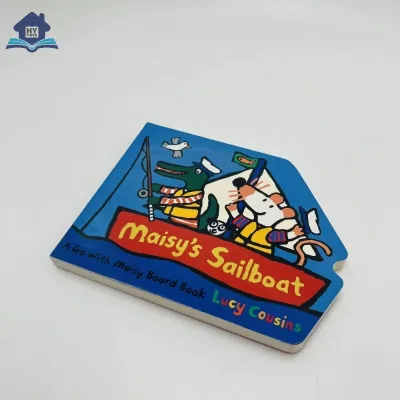
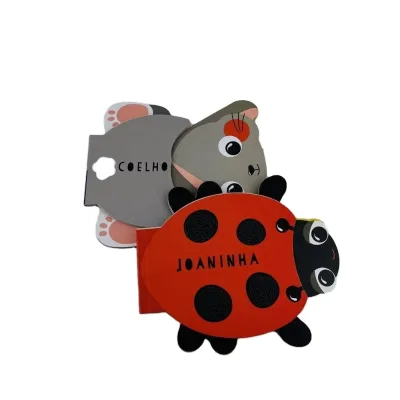
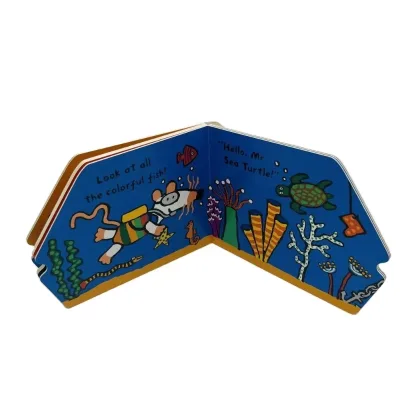


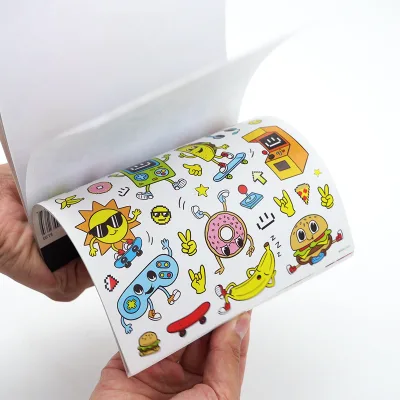
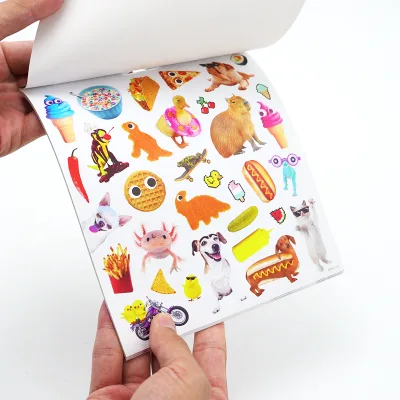


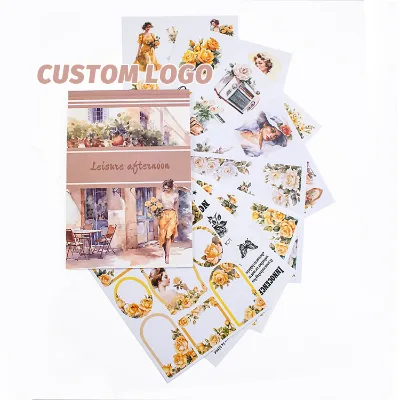

Comprehensive Sourcing Guide
Strategic Sourcing Guide for Eco-Friendly Die-Cut Sticker Books
Understanding Product Specifications and Material Variability
When sourcing an eco-friendly die-cut sticker book, the primary challenge lies in reconciling the specific material requirements of "eco-friendly" with the diverse manufacturing capabilities observed in the current market. The available product data indicates a wide spectrum of material compositions, ranging from standard coated paper to more specialized substrates like acrylic, kraft, PET, metal, and felt. For a buyer specifically targeting sustainability, the immediate focus must be on the "Product Material" attribute, which explicitly lists "Paper & Paperboard" and "Coated paper" as primary options. However, the presence of non-paper materials such as acrylic and metal in the general product descriptions necessitates a rigorous filtering process to ensure the final selection aligns with environmental goals.
The physical construction of these sticker books varies significantly based on the binding method. Observed data reveals a mix of "Folded Leaflet," "Spiral Binding," and "Case Book" configurations. The "Folded Leaflet" style often implies a more traditional, paper-intensive approach that may be easier to recycle, whereas "Spiral Binding" introduces plastic or metal components that can complicate end-of-life disposal. Furthermore, the "Book Cover" attribute shows a divergence between "Hard Cover" and "Soft Cover" options. A hard cover typically involves more material layers and adhesives, which may impact the recyclability of the final product compared to a soft cover design.
Surface finishing processes also play a critical role in the eco-friendly profile of the sticker book. The data lists "Film Lamination," "Varnishing," and "Coated" finishes. While lamination can enhance durability, it often involves plastic films that hinder recyclability. Conversely, water-based varnishes or UV spot coatings may offer a more sustainable alternative, though this requires specific verification with the supplier. The "Special process" attribute mentions techniques like embossing, silk screen printing, and foil stamping. While these add aesthetic value, foil stamping and certain embossing techniques can introduce metallic or non-paper elements that must be accounted for in sustainability assessments.
Compliance Verification and Certification Protocols
The pursuit of an eco-friendly product requires moving beyond marketing claims to verify actual compliance with recognized environmental standards. The provided context mentions "FSC" (Forest Stewardship Council) as a background certification, though it is flagged as low-confidence. This distinction is crucial; a buyer cannot assume that a supplier offering "Coated paper" or "Art Paper" possesses FSC certification without explicit documentation. The sourcing strategy must prioritize requesting valid FSC Chain of Custody certificates for all paper-based components, including the sticker sheet, the backing paper, and the book cover.
In addition to FSC, buyers should investigate the source of the "Paper Type" listed as "Art Paper," "Cardboard," or "Coated Paper." These terms describe the finish and weight but do not inherently guarantee sustainable forestry practices. The "Place of Origin" data points to China, specifically Guangdong, Guangzhou, and Shandong. While these regions are major manufacturing hubs, environmental regulations and enforcement can vary. Buyers should verify if the manufacturing facilities adhere to local environmental laws and if they have obtained any ISO 14001 certifications for environmental management systems.
The "Product Standard" attribute shows values like "Small" and "Custom," which are vague regarding environmental performance. Instead of relying on these internal standard codes, procurement teams should demand third-party test reports for toxicity, specifically checking for heavy metals, phthalates, and volatile organic compounds (VOCs) in the inks and adhesives used. The "Printing Type" includes both "Offset Printing" and "Flexographic Printing." Flexographic printing is often associated with water-based inks, which are generally more eco-friendly than solvent-based inks used in some offset processes, but this is not a universal rule and must be confirmed on a per-supplier basis.
Cost Drivers and Economic Factors in Sustainable Sourcing
The cost structure of eco-friendly die-cut sticker books is influenced by several distinct variables found in the product data. The "MOQ" (Minimum Order Quantity) range observed is between 100 and 1000 pieces. For buyers seeking sustainability, the unit cost often decreases as volume increases, but the initial investment for smaller, custom eco-friendly runs can be higher due to the specialized nature of the materials. The "Selling Units" are listed as "Single item," suggesting that some suppliers may cater to sample orders or very small batches, which typically carry a premium price per unit.
Material selection is a primary cost driver. Switching from standard "Art Paper" to recycled paper or FSC-certified paper will increase the base material cost. Similarly, the choice of "Surface Finish" impacts pricing. "Film Lamination" is a standard process, but if a buyer opts for a biodegradable lamination or a water-based varnish to replace plastic film, the processing cost may rise. The "Special process" options like "Foil Stamping" or "UV Spot" add significant labor and material costs. If the goal is to minimize environmental impact, the buyer might choose to eliminate these decorative processes, which could reduce the overall price but also affect the visual appeal of the "Sticker Book."
The "Product Packing" attribute lists "Export Cartons on Pallets" and "Cartons." Sustainable sourcing often involves optimizing packaging to reduce waste. If the supplier uses excessive plastic wrapping or non-recyclable pallets, the buyer may need to negotiate for alternative packaging solutions, which could incur additional logistics costs. The "Custom Size" attribute indicates that non-standard dimensions can lead to higher material waste during the cutting process, potentially increasing the cost per unit compared to standard sizes. Buyers should aim to standardize their size requirements where possible to minimize waste and cost.
Typical Applications and Functional Requirements
The "Use" attribute for these products is broadly defined as "Reading," but the specific nature of the "Sticker Book" suggests a more targeted application, likely in the "Education" sector as indicated by the "Sticker Book: Education" attribute. These products are frequently used in classrooms, therapeutic settings, or as interactive learning tools for children. The "Sticker" attribute notes that the stickers are "Removable," which is a critical functional requirement for educational tools where stickers need to be moved or reused.
The "Product Name" includes "Customized Paper Printing Service," indicating that these sticker books are often tailored for specific branding or educational themes. The "Pattern" is listed as "Custom," allowing for unique designs that can be aligned with specific curriculum needs or corporate branding. The "Feature" attribute mentions "Anti-Curl," a vital characteristic for sticker books that are handled frequently by children or in humid environments. This feature ensures the book remains flat and usable over time, reducing the need for replacement and thus supporting a more sustainable lifecycle.
The diversity of "Product Type" listed, including "Adhesive Sticker," "acrylic sticker," "kraft sticker," "pet sticker," and "metal sticker," suggests that the sticker book can be customized for various industries beyond education. For instance, "kraft sticker" implies a natural, unbleached paper look that is often associated with eco-friendly branding. "Waterproof sticker" and "luminous sticker" indicate specialized applications where durability or visibility is paramount. Buyers must ensure that the specific application dictates the material choice; for example, a waterproof sticker for outdoor use might require a PET or acrylic substrate, which contradicts a strict "paper-only" eco-friendly definition unless a biodegradable waterproof coating is available.
Supplier Evaluation and Production Capability Assessment
Evaluating suppliers for eco-friendly sticker books requires a deep dive into their production capabilities and transparency. The "prod_model" numbers (e.g., FC074, TM-SB-003, HL-2345) and "Model Number" variations indicate that suppliers often have a catalog of standard models. However, the "Customization: Available" attribute confirms that most suppliers can adapt these models. The key is to verify if the customization extends to material sourcing. A supplier might offer a "Custom Size" and "Custom Pattern," but if they cannot source FSC-certified paper or water-based inks, they do not meet the eco-friendly criteria.
The "Place of Origin" is listed as Guangdong, Guangzhou, and Shandong. While these are established manufacturing regions, buyers should not assume uniform quality or environmental standards across all facilities. It is essential to conduct a supplier audit or request a detailed questionnaire regarding their waste management, energy consumption, and chemical handling. The "prod_packing" options, such as "Export Cartons on Pallets," suggest that the supplier is equipped for international shipping, but the buyer should verify if the pallets are made from sustainable wood or if they are plastic.
The "Printing Type" options of "Offset Printing" and "Flexographic Printing" are both viable, but the supplier's equipment age and maintenance records can influence the quality and environmental impact. Older offset presses may use more solvent-based inks, while modern flexographic presses are more likely to utilize water-based inks. The "Special process" capabilities, including "Embossing" and "Silk Screen Printing," should be evaluated for their environmental footprint. For instance, silk screen printing can generate significant waste if not managed correctly, and embossing requires precise die-cutting to minimize material scrap.
Quality Control and Long-Term Procurement Strategy
Maintaining quality in eco-friendly sticker books requires a robust quality control (QC) framework that goes beyond standard visual inspections. The "Feature: Anti-Curl" is a specific quality metric that must be tested under various humidity conditions to ensure the product performs as expected. The "Surface Finish" options like "Film Lamination" and "Varnishing" must be tested for adhesion and durability. If the finish peels or degrades quickly, the product's lifespan is shortened, leading to higher waste and negating the benefits of the eco-friendly materials.
The "Binding" method, whether "Folded Leaflet" or "Spiral Binding," must be evaluated for structural integrity. A loose binding can cause pages to fall out, rendering the sticker book unusable. For "Spiral Binding," the buyer should check if the spiral is made from recycled plastic or metal, and if it is easily removable for recycling. The "Sticker: Removable" attribute requires testing to ensure the adhesive is strong enough to stay in place but weak enough to be removed without damaging the backing paper or the surface it is applied to.
Long-term procurement considerations involve building a relationship with suppliers who are committed to continuous improvement in sustainability. The "Customized Production" nature of these products means that the supply chain is flexible, but it also requires clear communication of environmental standards. Buyers should establish a long-term contract that includes clauses for regular audits, material verification, and penalties for non-compliance with environmental standards. The "MOQ" range of 100-1000 pieces allows for flexibility in ordering, but buyers should plan for consistent demand to justify the investment in sustainable materials and processes.
Finally, the "Product Type" diversity offers opportunities for innovation. As the market evolves, buyers should stay informed about new eco-friendly materials, such as plant-based plastics or recycled metal, that might replace traditional acrylic or PET stickers. By maintaining a proactive approach to supplier evaluation and quality control, buyers can ensure that their eco-friendly die-cut sticker books meet both functional and environmental expectations, creating a sustainable product line that resonates with conscious consumers and educational institutions.
FAQs
Can I get eco friendly die cut sticker books with custom sizes?
Yes, suppliers offer custom sizes for these sticker books. The product data confirms that custom size options are available, allowing buyers to tailor dimensions to specific needs while maintaining the paper and paperboard material composition.
What is the minimum order quantity for these sticker books?
The minimum order quantity ranges from 100 to 1000 pieces. Buyers should verify the specific MOQ with the supplier, as some models like HL-2345 list 100 pieces, while others may require up to 1000 units for production.
Which printing types are used for these custom sticker books?
Both offset printing and flexographic printing are used for these products. The specific type depends on the supplier and model, with flexographic printing often associated with water-based inks which may align better with eco-friendly goals.
How are these sticker books packed for export?
Products are typically packed in export cartons on pallets or standard cartons. This packaging method ensures safe transport, though buyers should confirm if the pallets and cartons meet specific sustainability requirements for their eco-friendly standards.
Can I request FSC certification for the paper materials?
FSC certification is a background consideration but not guaranteed by default. Buyers must explicitly request valid FSC Chain of Custody certificates from suppliers, as the standard product data only lists paper types without confirming this specific certification.
What surface finishes are available for these sticker books?
Available surface finishes include film lamination, varnishing, and coating. While film lamination offers durability, water-based varnishes might be preferred for eco-friendly profiles, requiring specific verification with the manufacturer regarding the coating materials used.
Which binding styles are offered for these books?
Options include folded leaflet, spiral binding, and case book styles. The folded leaflet style often uses more traditional paper-intensive approaches, while spiral binding may introduce non-paper components that affect recyclability and end-of-life disposal.